How good are you at reading emotions?
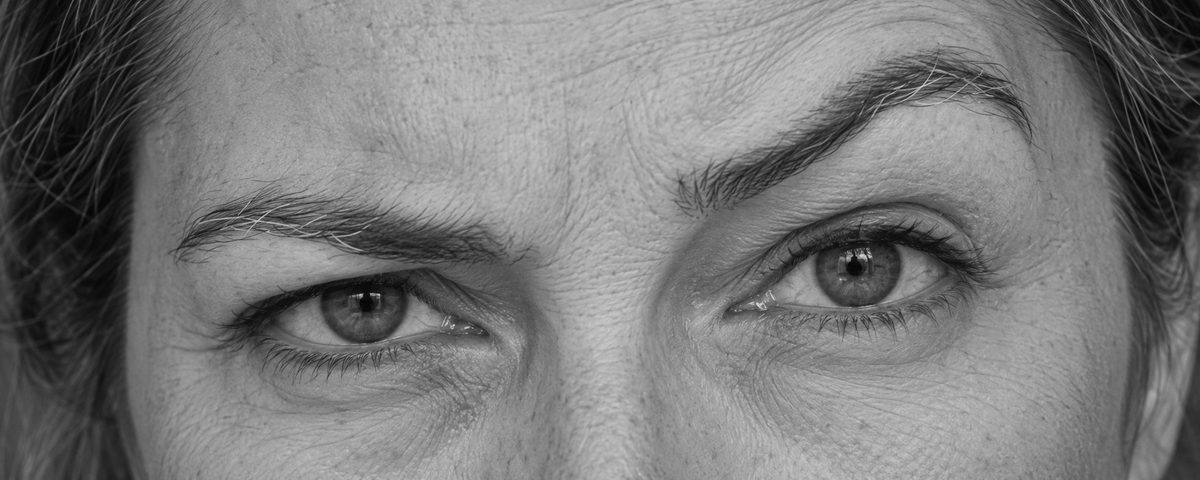
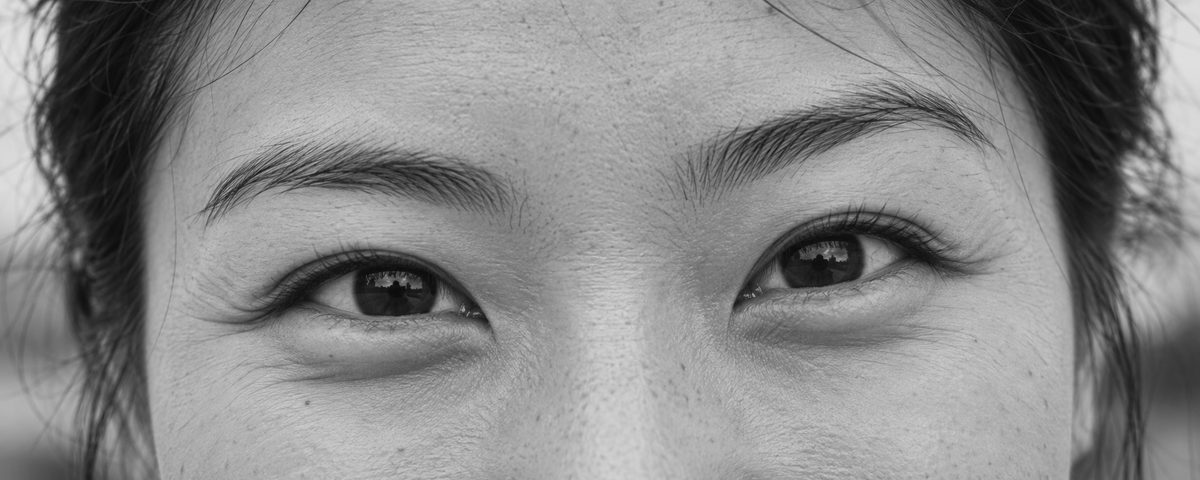
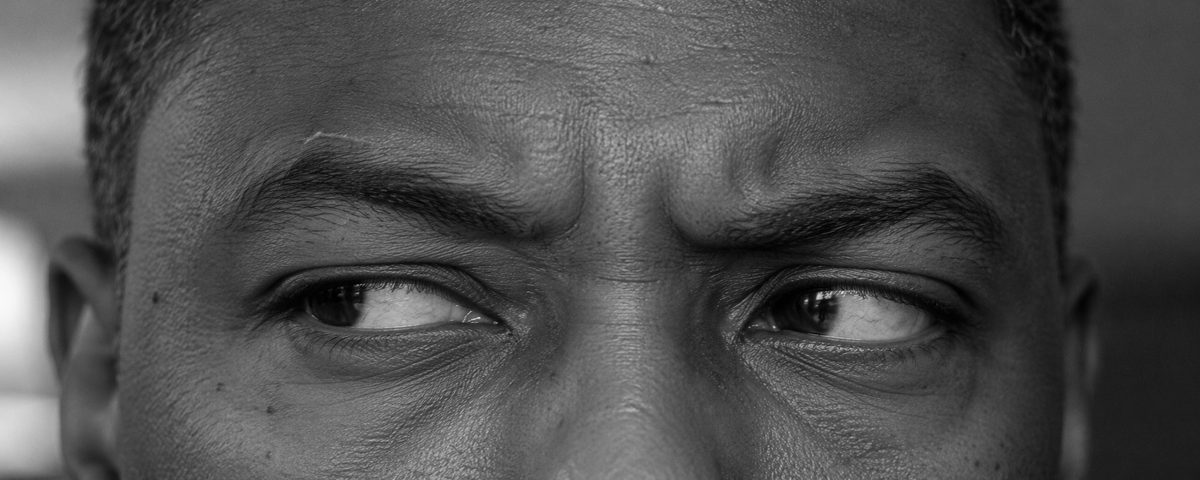
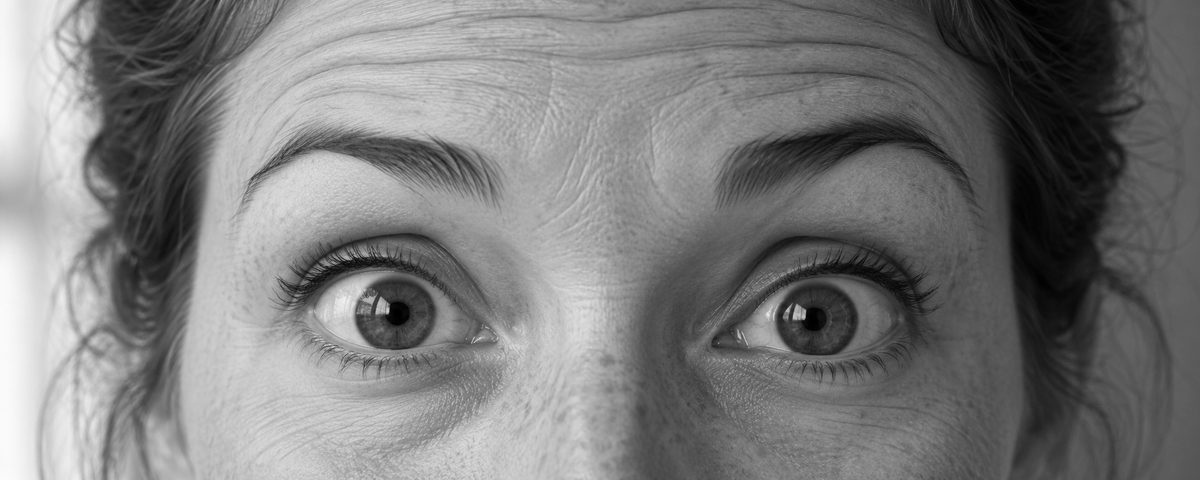
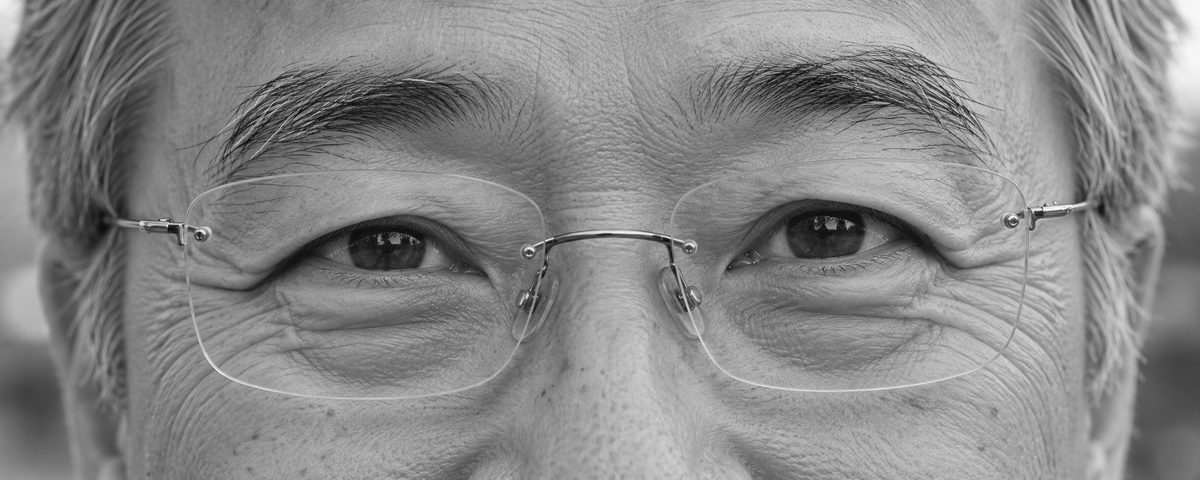
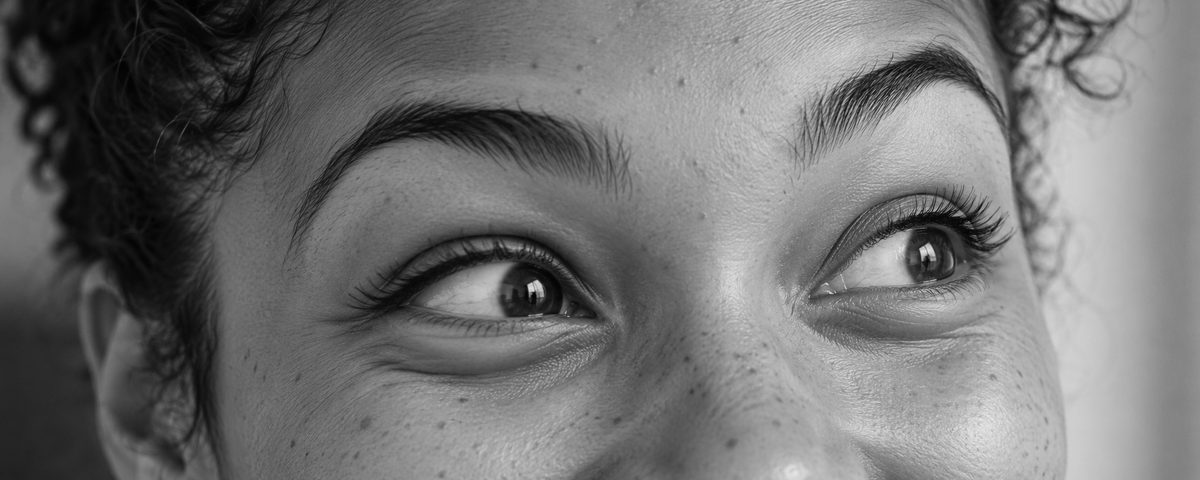
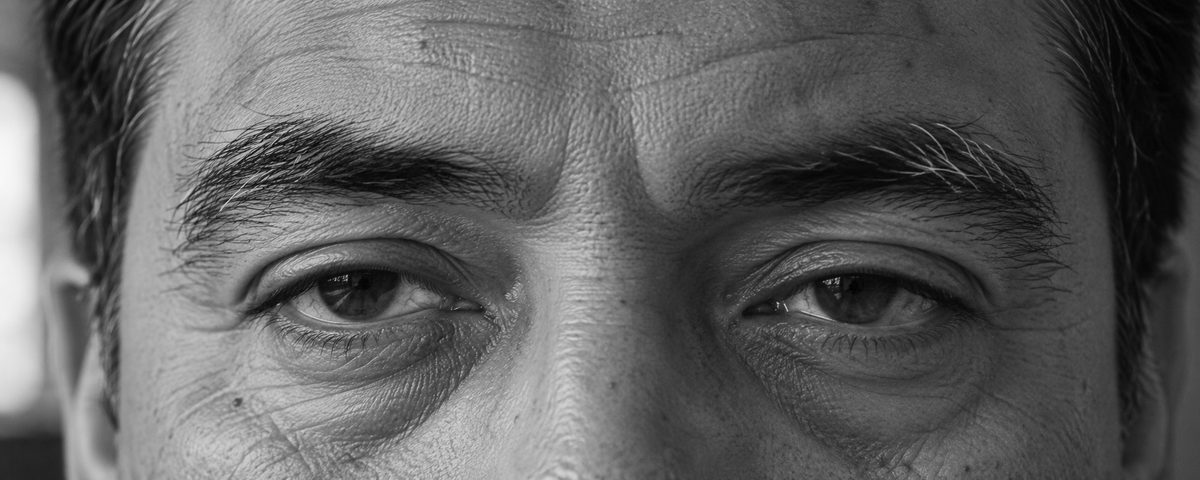
Reading the Eyes shows you 20 pairs of eyes and asks you to name what each person is feeling.
Questions
Why only the eyes?Simpler tests of reading people are too easy for most adults.
The eyes alone are hard enough to show how people differ.
Do women score higher?On average, yes.
A study of the original test with more than 300,000 people found women ahead at every age it covered, and the gap held up in 36 of its 57 countries.
Does age make a difference?Yes.
In the same study, scores climbed through the teenage years and then drifted down slowly across adulthood.
Is it an autism test?Not on its own.
On the original test, autistic people score lower on average, but the ranges overlap so much that one score can't tell you whether you're autistic. It's also the first part of the autism traits check.
Sources
Neuropsych · Updated October 29, 2026
- Baron-Cohen, Wheelwright, Hill, Raste and Plumb (2001): The Reading the Mind in the Eyes Test revised version, a study with normal adults, and adults with Asperger syndrome or high-functioning autism, Journal of Child Psychology and Psychiatry 42(2), 241-251
- Baron-Cohen, Jolliffe, Mortimore and Robertson (1997): Another advanced test of theory of mind, evidence from very high functioning adults with autism or Asperger syndrome, Journal of Child Psychology and Psychiatry 38(7)
- Neuropsych (2026): Reading the Eyes, the photographs, words and meanings
- Greenberg, Warrier, Abu-Akel, Allison, Gajos, Reinecke, Rentfrow, Radecki and Baron-Cohen (2023): Sex and age differences in “theory of mind” across 57 countries using the English version of the “Reading the Mind in the Eyes” Test, PNAS 120(1), e2022385119
Related tests
Teaching a course? Your class can run this test together and you receive the class data. Teaching with these tests